
How To Block Wool Crochet
How To Block Wool Crochet - When to use crochet blocking. Web you can spray block (demonstrated here), wet block (using a similar technique but starting by submerging your pieces in water until they’re saturated), or steam block (using a steamer or a steam iron after you pin the dry pieces). This method is highly effective in producing a crisp, professional finish, especially for lace and intricate stitch patterns. Blocking involves wetting a square of yarn and pinning it to a blocking mat or board to achieve a better aesthetic, change its shape, or increase its size. Then, roll the blanket in a towel to blot more water out. Web how to block crochet, step by step instructions. A comprehensive & succinct (ish) guide to blocking your crochet and knit projects. Synthetic fibers don’t hold the blocking shape well over time, making the extra effort pointless. Why do you block crochet projects? Follow for more posts like this!the magic of blocking really comes into play when you have lace pattern. Using pins and blocking mats effectively with best practice methods, you’ll be sure to end up with beautiful crochet creations that are sure to impress! Web ever made a sweater that is just a bit too snug? Web natural fibers like wool & alpaca benefit from full wash blocking. Let's look at the three most prevalent methods of blocking, as well as an alternative method if you don't have a foam mat, pins, or a steamer. My most recent crochet top design, the leilani raglan tee, wet blocked out 2″ wider than it was measuring before blocking! Web want to learn about blocking crochet? Blocking mat or a blocking board. Blocking helps adjust the size and shape of the crochet item. Web blocking is the introduction of moisture to a crochet or knit project to set or shape the final project. When to use crochet blocking. Read on to learn all there is about wet blocking, spray blocking, and steam blocking, and answers to the most frequently asked blocking questions. Let's look at the three most prevalent methods of blocking, as well as an alternative method if you don't have a foam mat, pins, or a steamer. For my merino wool project i prefer wet blocking.wha.. Web blocking is the introduction of moisture to a crochet or knit project to set or shape the final project. There are three different blocking methods for your project depending on your preferences, what type of fiber you’ve used, and how much time you have. I don’t believe it’s essential to block every piece of crochet. Submerge the crochet piece. Natural fiber yarns such as wool, cotton, and linen. Web wet blocking entails fully submerging a finished crochet project in water, gently squeezing out the excess water, and pinning it to the desired shape on a blocking surface. Submerge the crochet piece you want to block into the water. Web how to block crochet, step by step instructions. Crochet projects. My most recent crochet top design, the leilani raglan tee, wet blocked out 2″ wider than it was measuring before blocking! Follow for more posts like this!the magic of blocking really comes into play when you have lace pattern. And do i really need to block my crochet sweater? What you need to block crochet: Web how to block crochet,. Natural fiber yarns such as wool, cotton, and linen. Web after following my guide on how to block crochet fabric featuring tips for wet blocking, steam blocking, and spray blocking; Always remember to use rust proof pins when blocking to avoid getting orange marks on tour work! Blocking involves dampening the crochet fabric, shaping it to size, pinning it out. Blocking involves wetting a square of yarn and pinning it to a blocking mat or board to achieve a better aesthetic, change its shape, or increase its size. Web to block crochet, you’ll need a mat or board, rustproof blocking pins or stainless steel blocking wires, and a source of moisture such as a basin of water or a spray. Submerge the crochet piece you want to block into the water. There are a few techniques for accomplishing this, including mist blocking, wet blocking, and steam blocking (outlined below). What you need to block crochet: When to use crochet blocking. Web in this blog post, i’ll cover 3 ways you can block your crochet: Web you can spray block (demonstrated here), wet block (using a similar technique but starting by submerging your pieces in water until they’re saturated), or steam block (using a steamer or a steam iron after you pin the dry pieces). Blocking involves wetting a square of yarn and pinning it to a blocking mat or board to achieve a better. Web you can spray block (demonstrated here), wet block (using a similar technique but starting by submerging your pieces in water until they’re saturated), or steam block (using a steamer or a steam iron after you pin the dry pieces). Web how to block crochet, step by step instructions. Crochet projects that benefit from blocking. What you need to block. Web how to block crochet. There are a few techniques for accomplishing this, including mist blocking, wet blocking, and steam blocking (outlined below). And do i really need to block my crochet sweater? Web ever made a sweater that is just a bit too snug? This method works well for: A comprehensive & succinct (ish) guide to blocking your crochet and knit projects. In this video we discuss the best blocking methods for specific yarn fibers. Blocking almost always works magic on natural fibers and blends. Find out about the different methods, plus when and how to block crochet with gathered. Cotton is difficult to block. 37k views 5 years ago. Wash your blanket on a delicate cycle or soak it in cool water. Blocking mat or a blocking board. I don’t believe it’s essential to block every piece of crochet. Fill your sink or basin with lukewarm water and add some wool wash. Web © 2024 google llc. Remove the blanket from the washer or water and wring it out. In short, blocking is getting your project wet and letting it dry! This method is highly effective in producing a crisp, professional finish, especially for lace and intricate stitch patterns. Web natural fibers like wool & alpaca benefit from full wash blocking. Let’s take a closer look at each of these crochet blocking supplies.
Why and how to block crochet and knitted projects? LillaBjörn's
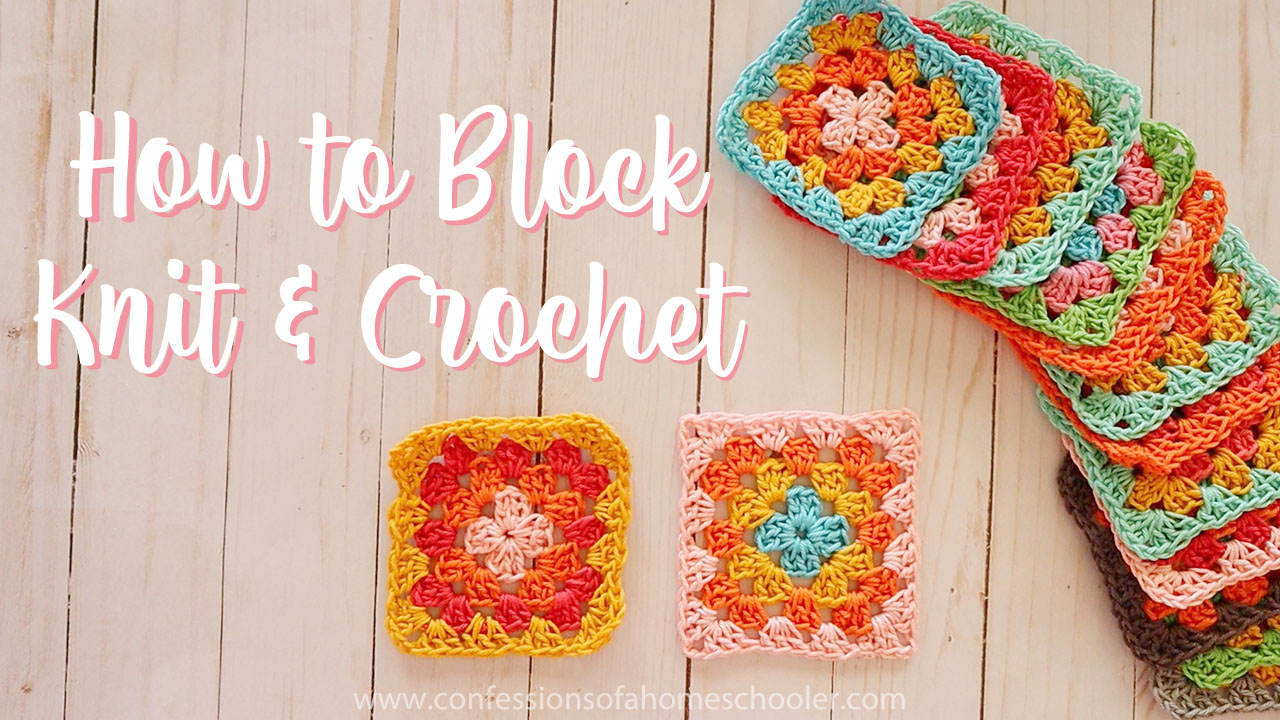
How to Block Knit and Crochet Projects Confessions of a Homeschooler
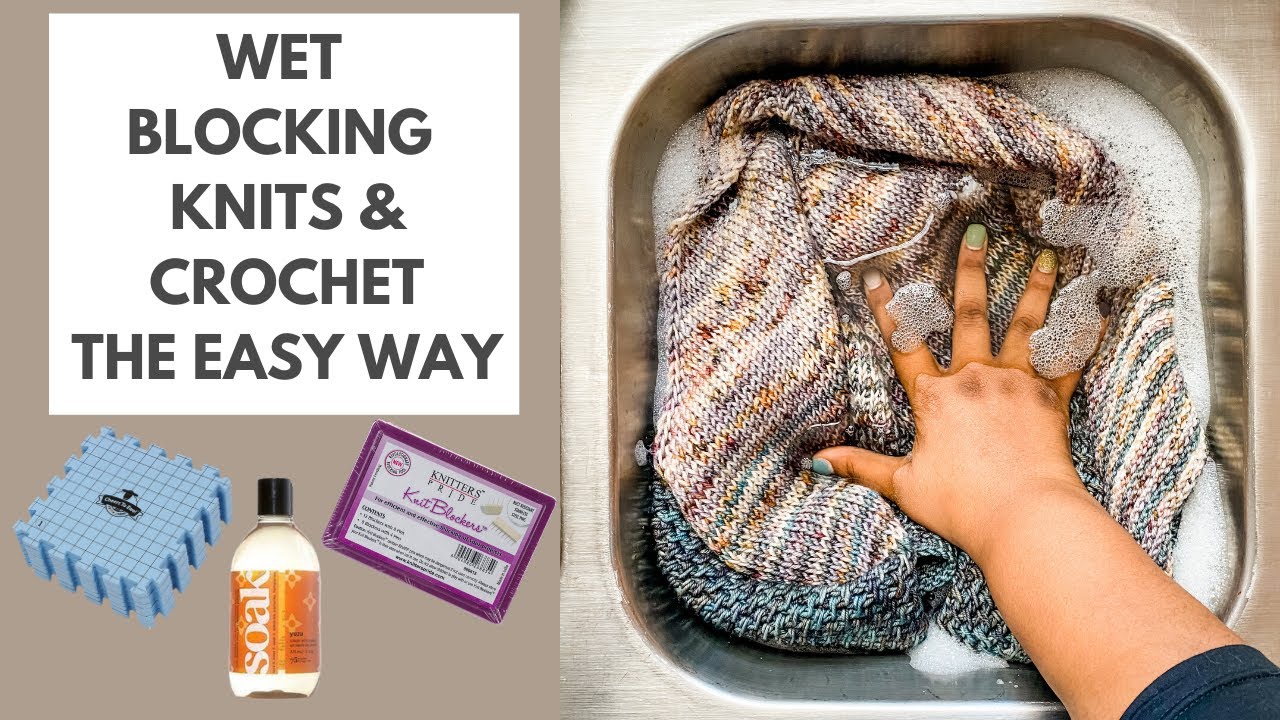
WET BLOCKING 101 HOW TO WET BLOCK A SHAWL [Step By Step Guide to Block

How To Block Your Crochet & Knitting Cotton, Wool, Acrylic etc. (All
![Blocking Crochet Easy Step by Step Tutorial [2024 Update]](https://crochetpenguin.com/wp-content/uploads/2020/06/Blocked-Crochet-Squares2.jpg)
Blocking Crochet Easy Step by Step Tutorial [2024 Update]
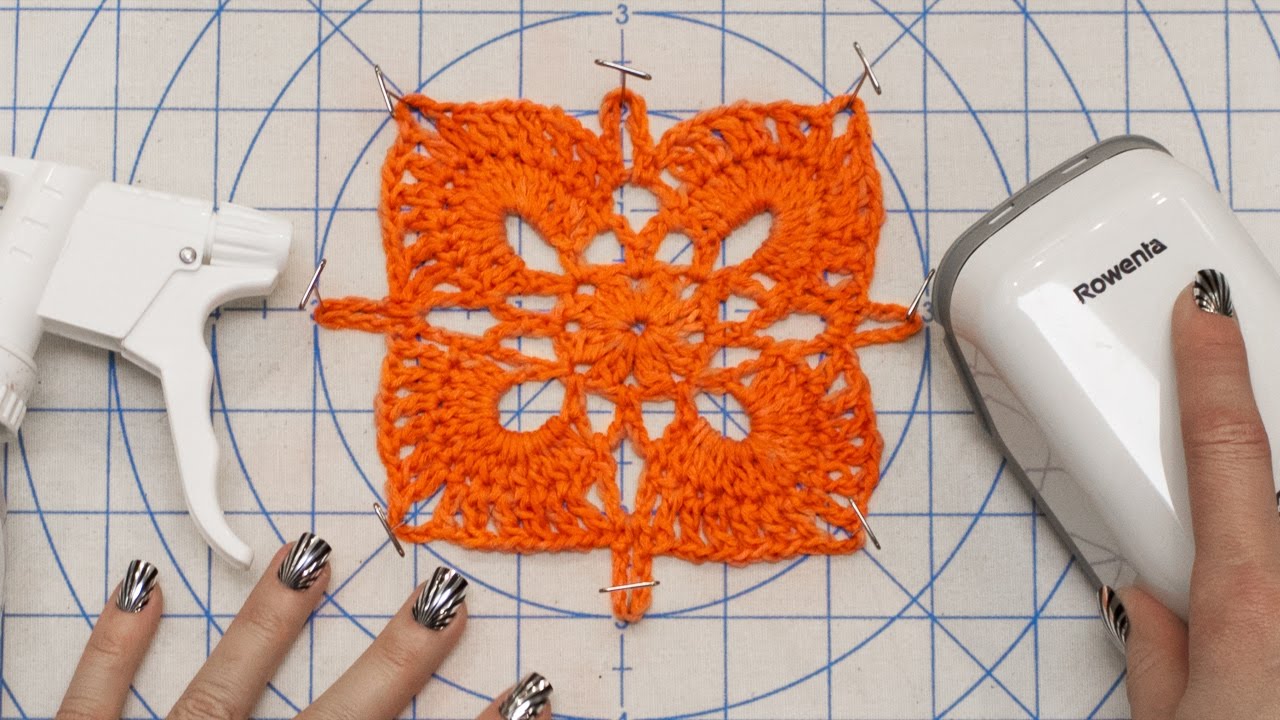
Learn How to Block Crochet and Knit Projects Naztazia
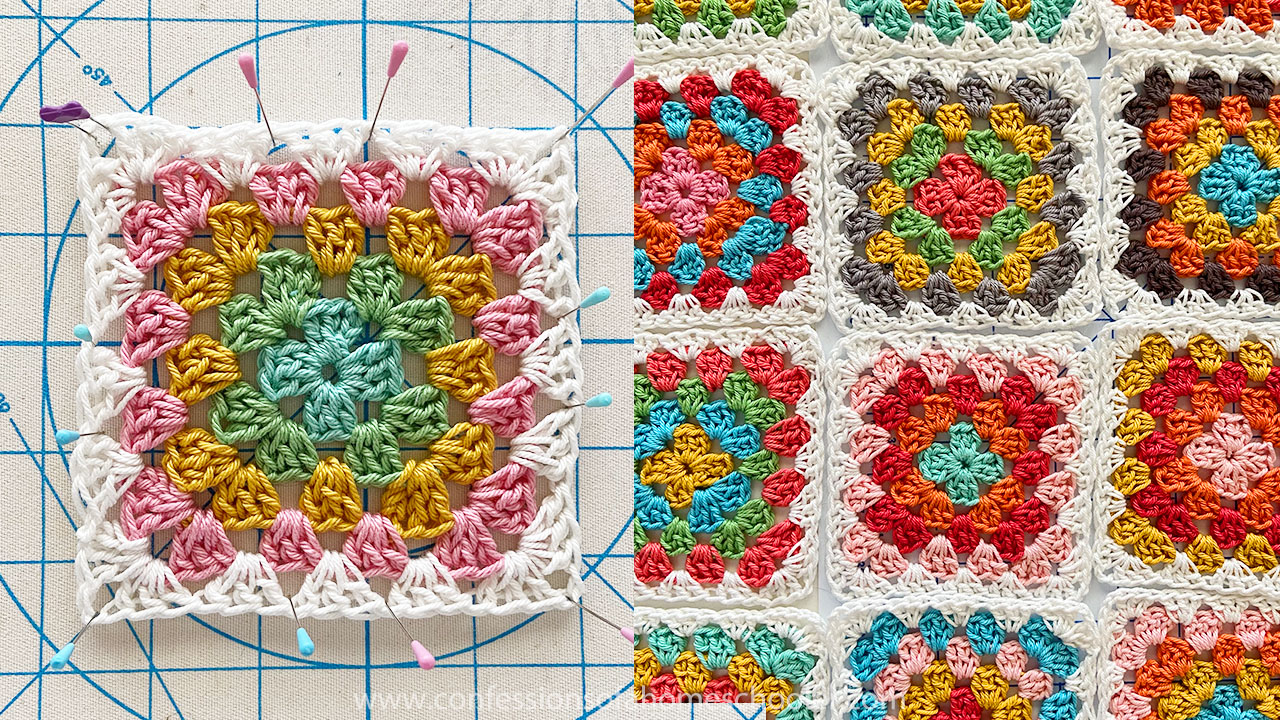
How to Block Knit and Crochet Projects Confessions of a Homeschooler
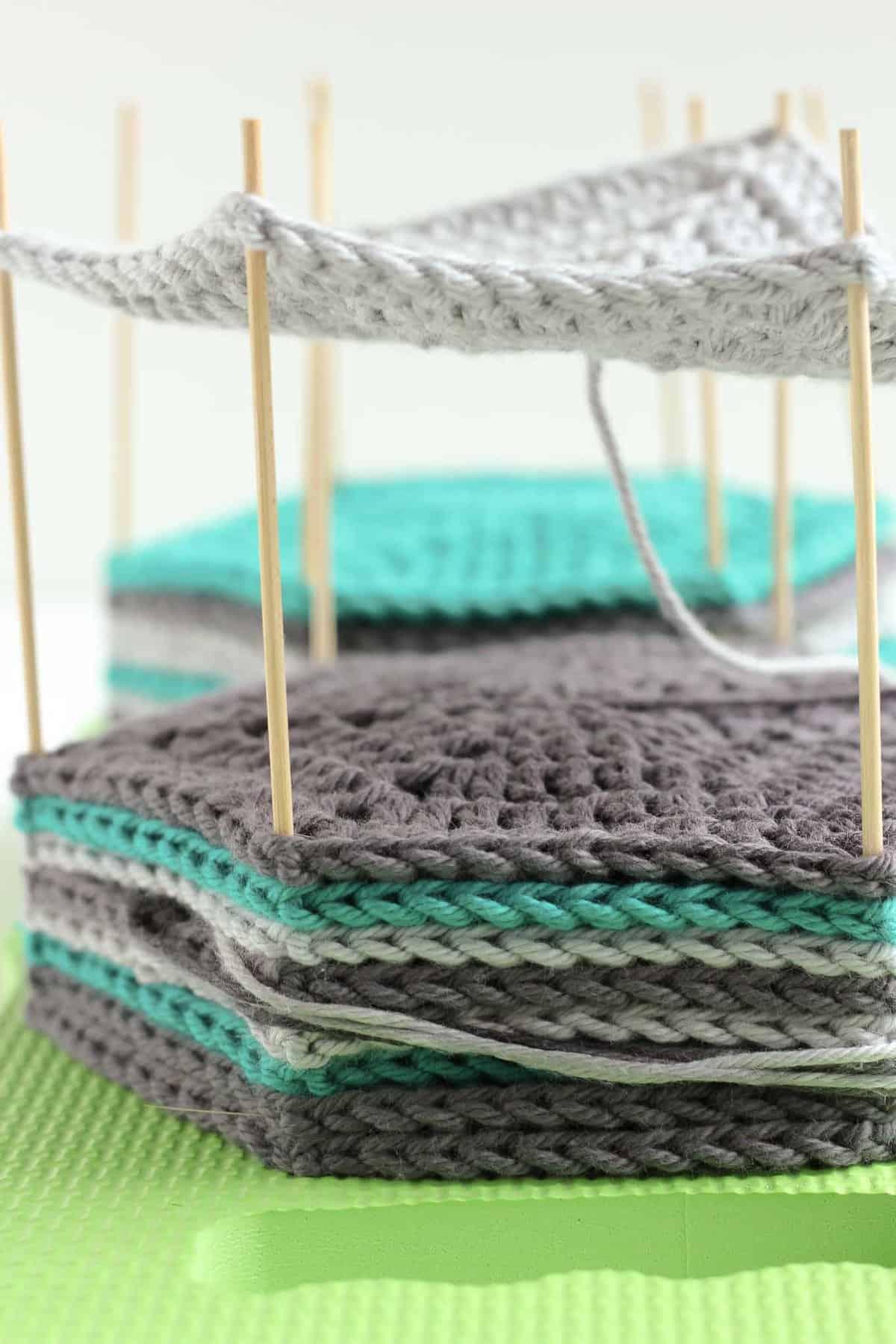
How to Block Crochet with Easy DIY Blocking Board
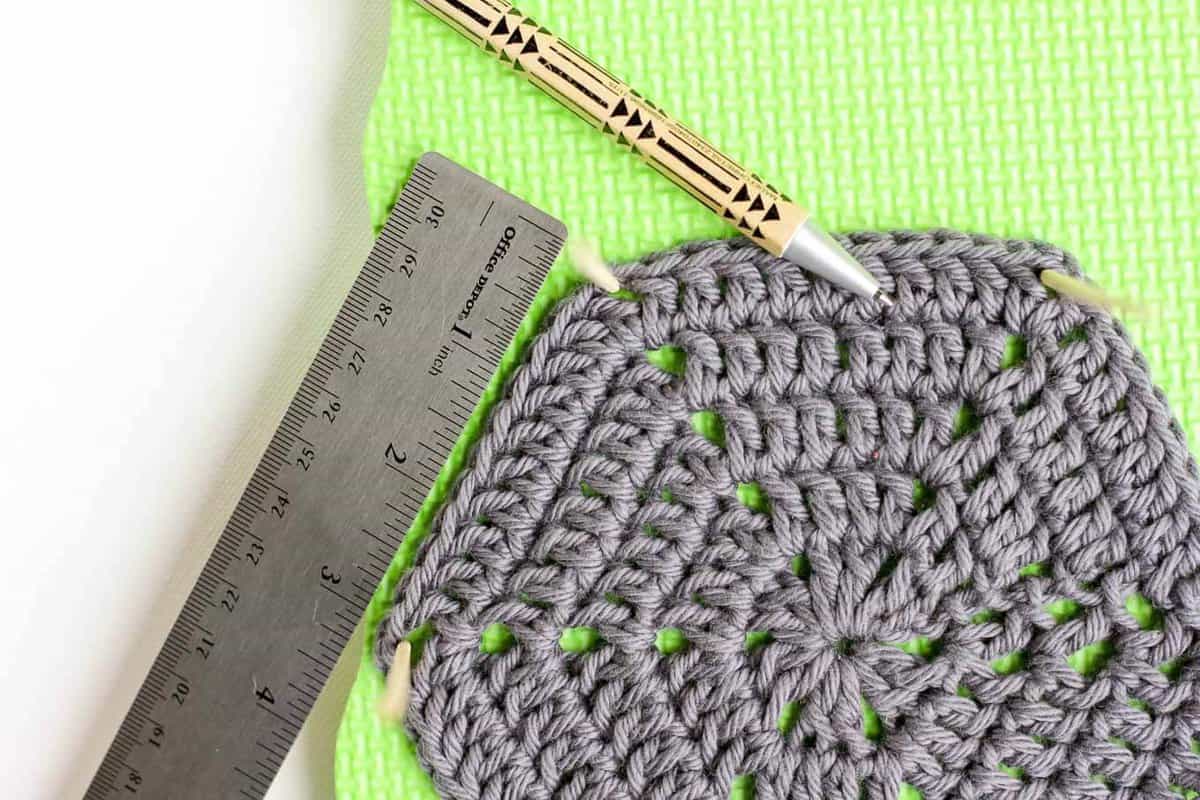
How to Block Crochet with Easy DIY Blocking Board
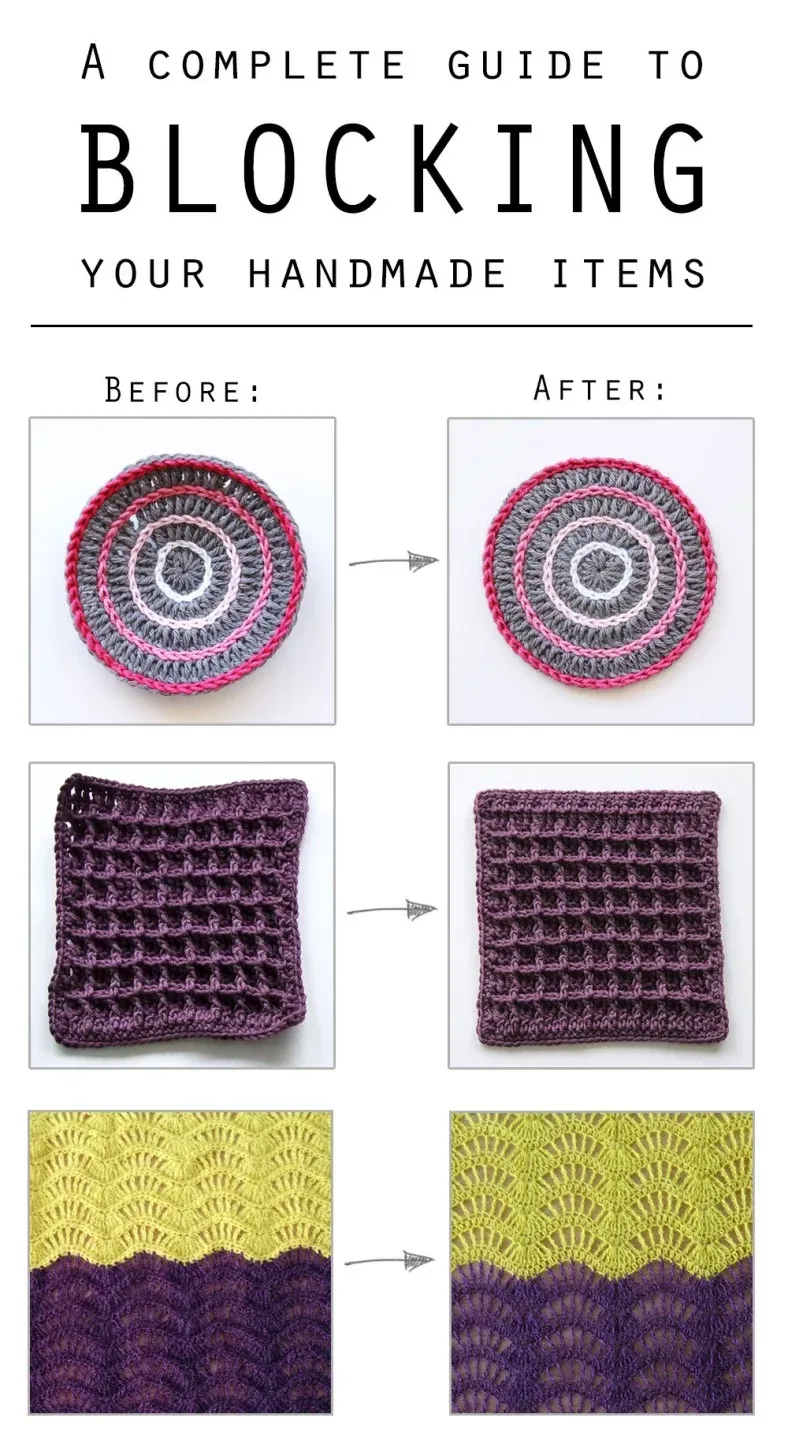
How to block your crocheted or knitted items Haak Maar Raak
Most Crocheters Employ Acrylic Or Other Synthetic Fibers To Create Blankets.
Natural Fiber Yarns Such As Wool, Cotton, And Linen.
Crochet Projects That Benefit From Blocking.
Web How To Block Crochet, Step By Step Instructions.
Related Post: